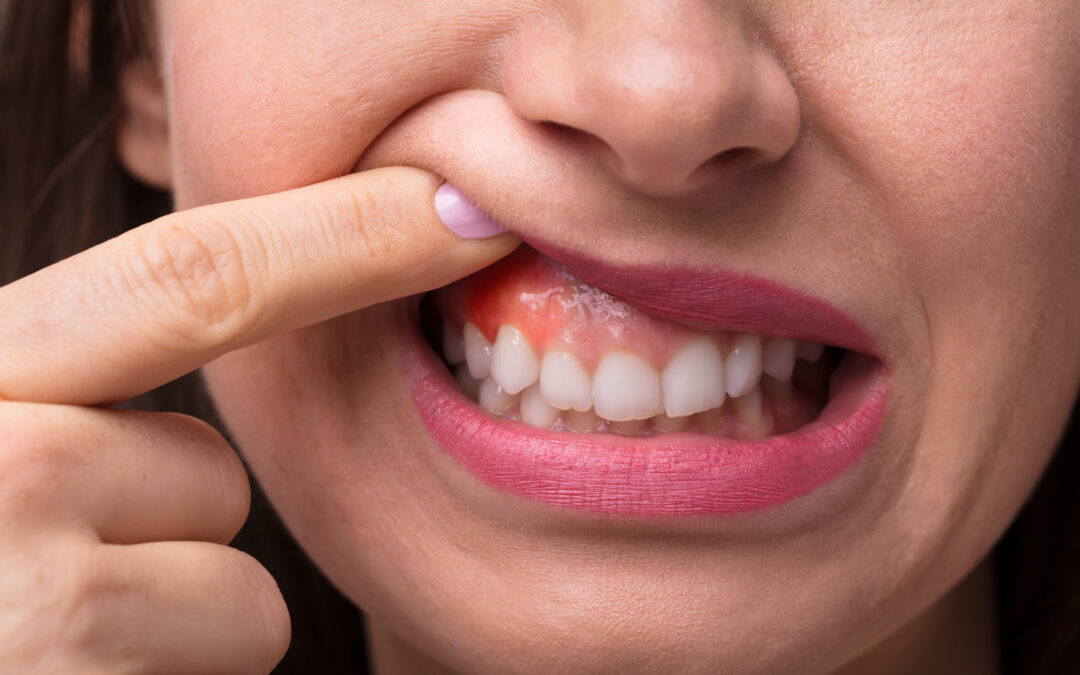
Gum recession often begins subtly. You may notice your teeth looking slightly longer or feel increased sensitivity when drinking something cold. At first, it may seem cosmetic. But gum recession is more than a visual concern—it is a structural issue that affects the...
Patients considering tooth replacement often ask the same question: Which option will feel the most like my real teeth? While bridges and dentures can restore appearance, dental implants consistently provide the most natural look, feel, and function. At Precision...
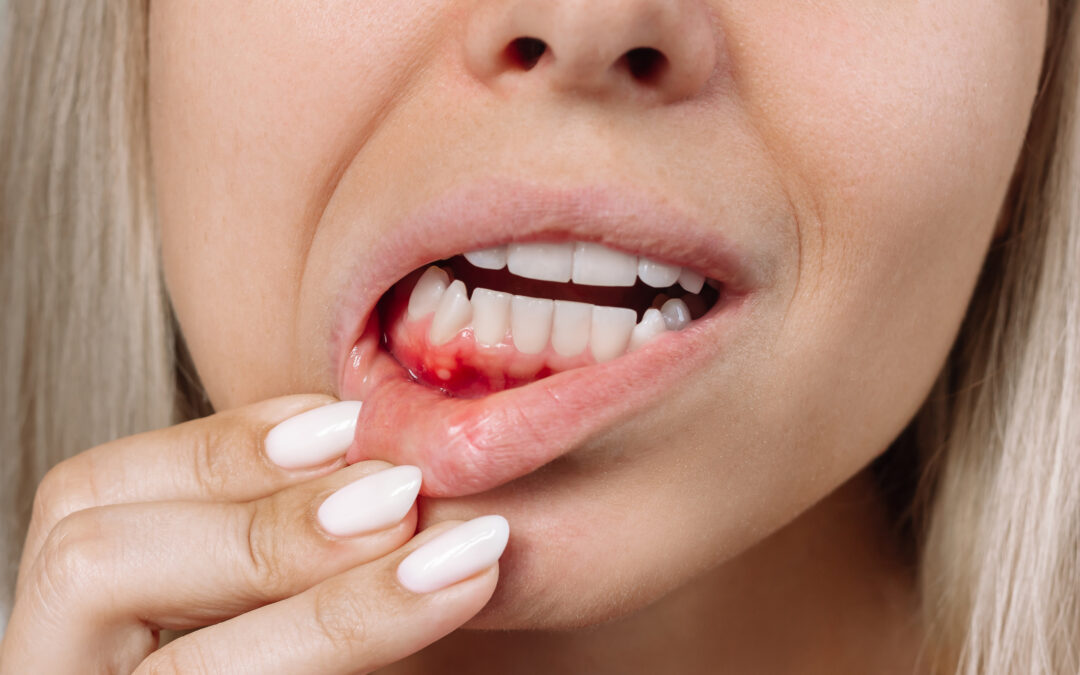
Many patients brush, see a little blood in the sink, and shrug it off—especially if there’s no pain. Some even assume they brushed too hard or that bleeding gums are just part of life. In reality, bleeding gums are one of the earliest warning signs of gum disease, and...
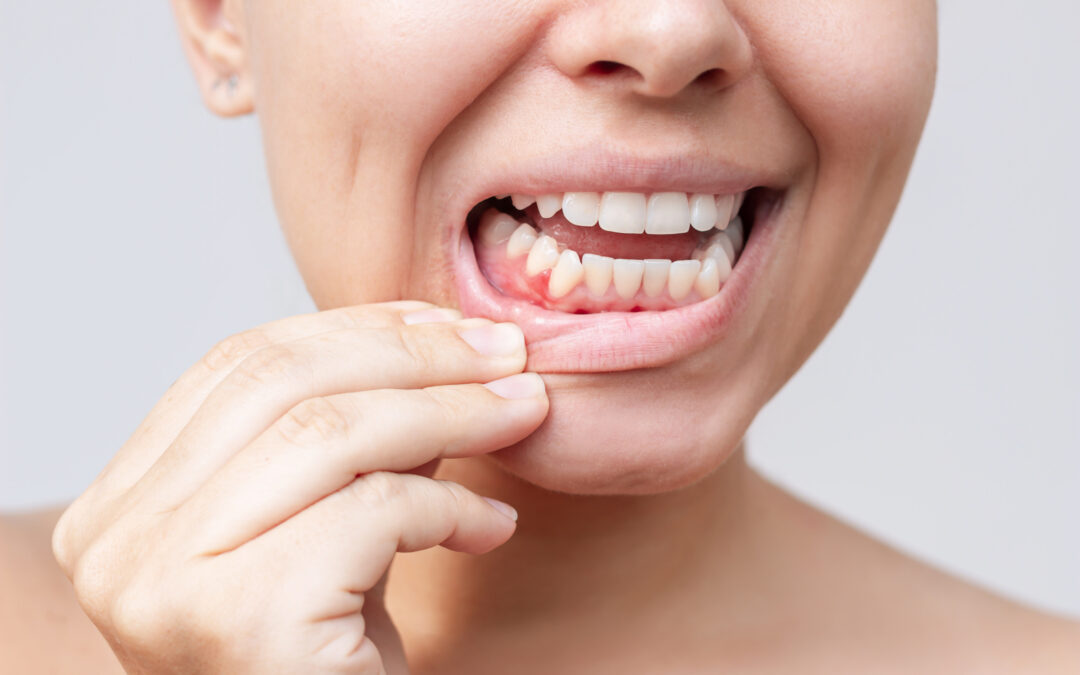
Gum disease rarely starts with dramatic symptoms. It often begins with mild bleeding, occasional swelling, or bad breath that comes and goes. Because these early signs don’t always hurt, many people delay treatment—sometimes for years. Unfortunately, untreated gum...
Many patients assume that once gum disease has been treated, they can return to routine dental cleanings every six months. In reality, periodontal maintenance is a different type of care designed specifically for patients with a history of gum disease. Understanding...
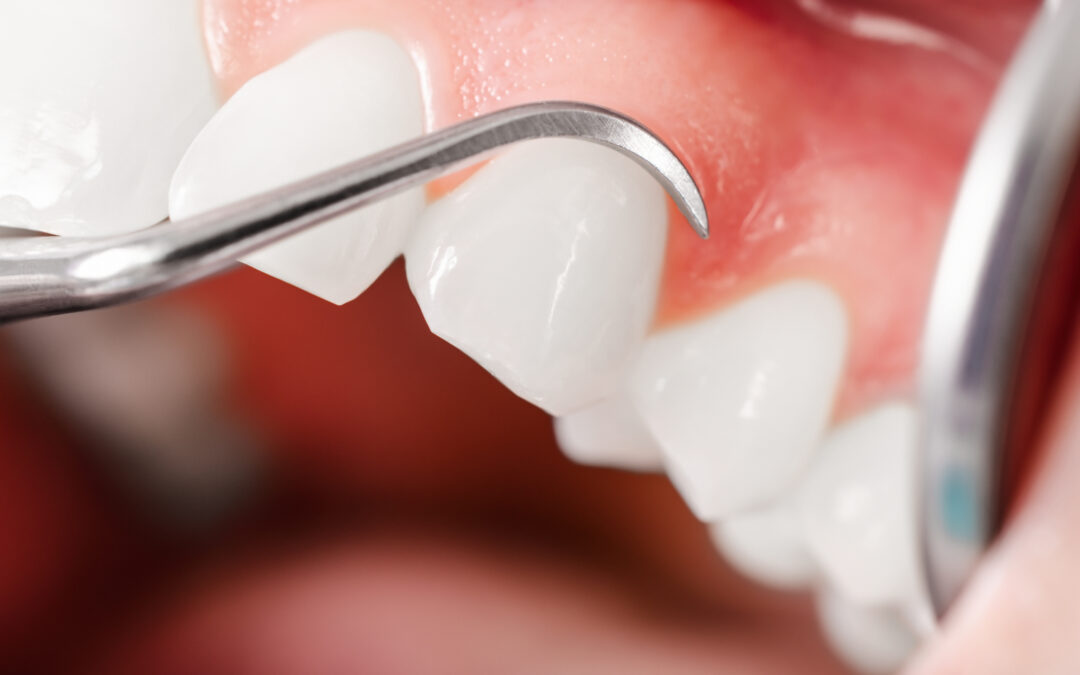
Many patients assume all dental professionals treat gum disease the same way. After all, both dentists and periodontists care for oral health. But when gum disease becomes more advanced—or when it begins threatening the bone that supports your teeth—the type of...