
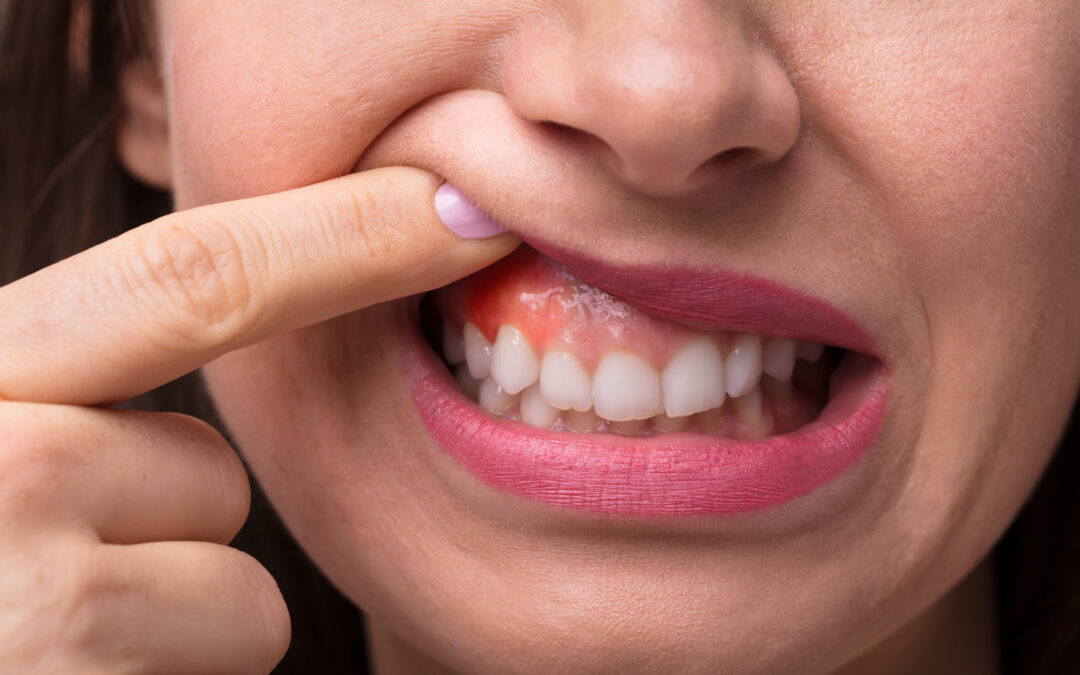
Gum recession often begins subtly. You may notice your teeth looking slightly longer or feel increased sensitivity when drinking something cold. At first, it may seem cosmetic. But gum recession is more than a visual concern—it is a structural issue that affects the protection and stability of your teeth.
Without treatment, gum recession typically does not reverse on its own. In many cases, it gradually progresses, exposing more root surface and increasing the risk of sensitivity, decay, and even tooth loss.
Understanding why recession worsens—and what can be done about it—empowers patients to act before the damage becomes more complex.
What Causes Gum Recession?
Gum recession occurs when the gum tissue pulls away from the tooth, exposing the root surface beneath. Several factors may contribute, including:
- Periodontal (gum) disease
- Aggressive brushing
- Thin or genetically delicate gum tissue
- Teeth grinding or bite imbalance
- Orthodontic movement
- Tobacco use
Because the root surface is not protected by enamel like the crown of the tooth, exposure can quickly lead to sensitivity and vulnerability.
Why Recession Often Progresses
Once gum tissue has receded, it does not naturally regenerate. If the underlying cause remains unaddressed, the recession can continue.
Progression may occur due to:
- Ongoing inflammation from gum disease
- Continued mechanical trauma from brushing
- Persistent bite pressure
- Bone loss beneath the gumline
As more root surface becomes exposed, plaque accumulation becomes easier, increasing the likelihood of further irritation and tissue breakdown.
The Risks of Ignoring Gum Recession
Patients sometimes delay treatment because recession may not cause immediate pain. However, over time, the risks increase.
Potential consequences include:
- Heightened tooth sensitivity
- Increased risk of root decay
- Compromised tooth stability
- Cosmetic concerns
- Greater likelihood of future restorative needs
Early intervention can often prevent more extensive procedures later.
Modern Treatment Options for Gum Recession
Periodontal care has advanced significantly. Today, treatment options are precise, predictable, and designed to restore both function and appearance.
Depending on the cause and severity, treatment may include:
- Scaling and root planing to eliminate infection
- Bite adjustment to reduce excessive pressure
- Soft tissue grafting to cover exposed roots
- Regenerative procedures to support underlying bone
At Precision Periodontal and Implant Center, each case is evaluated individually. Treatment planning focuses on stabilizing the condition and rebuilding protection around the tooth.
What to Expect from Soft Tissue Grafting
One of the most effective treatments for moderate to severe recession is gum grafting. This procedure involves carefully placing healthy tissue to cover exposed root surfaces.
Benefits of grafting include:
- Reduced sensitivity
- Improved aesthetics
- Increased protection against decay
- Enhanced long-term stability
Modern techniques prioritize precision and patient comfort, helping ensure smooth healing and natural-looking results.
Protecting Your Smile’s Foundation
Your gums are the foundation of your smile. When they recede, the health of your teeth is directly affected. Acting early preserves both comfort and long-term stability.
If you’ve noticed exposed roots, increased sensitivity, or changes in your gumline, schedule an evaluation with Precision Periodontal and Implant Center by calling 310-708-3938. Early diagnosis and targeted periodontal care can restore protection and help you maintain a confident, healthy smile.