
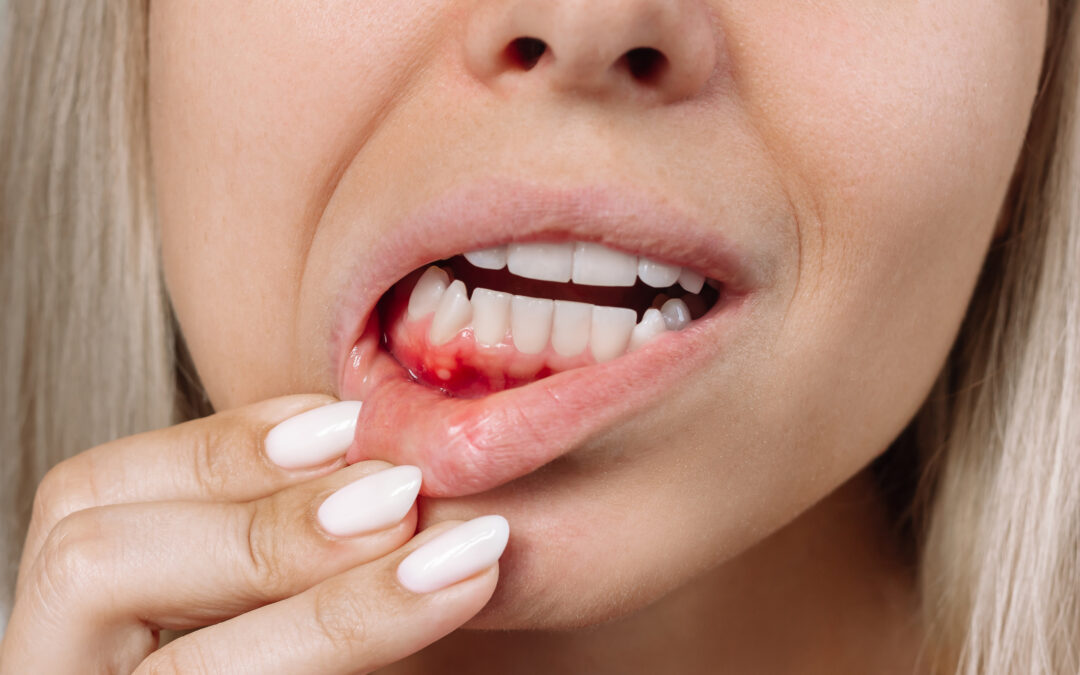
Many patients brush, see a little blood in the sink, and shrug it off—especially if there’s no pain. Some even assume they brushed too hard or that bleeding gums are just part of life. In reality, bleeding gums are one of the earliest warning signs of gum disease, and they should never be ignored. At Precision Periodontal and Implant Center, we regularly see patients who wish they had taken this symptom seriously sooner.
Bleeding Is a Sign of Inflammation
Healthy gums do not bleed. When gums bleed during brushing or flossing, it’s usually because the tissue is inflamed. That inflammation is typically caused by bacteria accumulating along and beneath the gumline. Even small amounts of plaque can trigger a response from the immune system, leading to swollen, fragile gum tissue that bleeds easily.
This stage of disease is known as gingivitis. It’s the earliest and most reversible form of gum disease—but only if it’s addressed promptly.
Why There’s Often No Pain
One reason bleeding gums are dismissed is because they rarely hurt at first. Gum disease progresses quietly. Unlike a cavity or toothache, inflammation in the gums doesn’t usually cause sharp pain in its early stages. That lack of discomfort can give a false sense of security.
Unfortunately, by the time pain appears, the disease has often progressed beyond gingivitis into periodontitis, where bone loss and permanent damage can occur.
Common Causes of Bleeding Gums
Bleeding gums can result from several factors, including:
- Plaque buildup along the gumline
- Inconsistent brushing or flossing
- Poorly fitting dental restorations
- Smoking or vaping
- Hormonal changes
- Certain medications
- Medical conditions affecting immune response
While aggressive brushing can cause minor irritation, ongoing bleeding is rarely just a technique issue. If bleeding happens repeatedly, it’s time for a professional evaluation.
What Happens If Bleeding Gums Are Ignored
When gingivitis isn’t treated, bacteria migrate deeper beneath the gums. This causes the gums to pull away from the teeth, forming pockets that trap infection. Over time, this leads to:
- Chronic inflammation
- Bone loss around the teeth
- Gum recession
- Loose or shifting teeth
- Increased risk of tooth loss
At this stage, gum disease becomes a chronic condition that requires ongoing management rather than simple treatment.
Why Early Treatment Matters
The good news is that bleeding gums caught early are highly treatable. Professional care combined with improved home hygiene can reverse gingivitis completely. Treatment may involve a thorough cleaning, improved brushing and flossing techniques, and addressing contributing factors like smoking or clenching.
At Precision Periodontal and Implant Center, early intervention helps patients avoid more complex procedures later—and protects the bone and tissue that keep teeth stable.
When to Schedule a Periodontal Evaluation
You should schedule an evaluation if you notice:
- Bleeding during brushing or flossing
- Gums that look red or swollen
- Persistent bad breath
- Sensitivity near the gumline
- Gums that bleed even with gentle brushing
These signs are your body’s way of asking for attention.
Healthy Gums Don’t Bleed
Bleeding gums aren’t something to “power through.” They’re a signal that something isn’t right. Addressing the problem early can save you time, discomfort, and more extensive treatment in the future.
If you’ve noticed bleeding gums—even without pain—call 310-708-3938 to schedule an evaluation with Precision Periodontal and Implant Center. Catching gum disease early is one of the simplest ways to protect your smile long-term.