
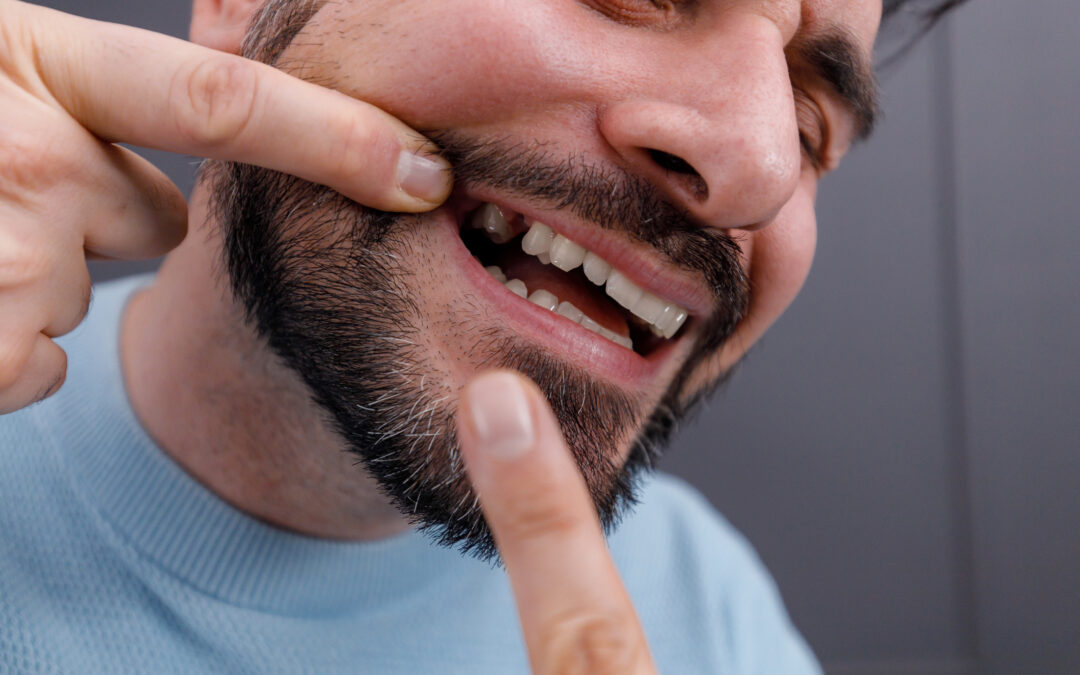
Losing one tooth can feel disruptive. Losing multiple teeth in different areas of your mouth can feel overwhelming. You may struggle with chewing certain foods, notice changes in your speech, or feel self-conscious about gaps when you smile.
If you’re missing teeth in separate areas — not just one continuous section — you might wonder what your options are. The good news is that modern implant and periodontal techniques allow for customized solutions tailored to your specific needs.
At Precision Periodontal and Implant Center, we evaluate each case individually to design a treatment plan that restores both function and long-term stability.
Why Multiple Missing Teeth Shouldn’t Be Ignored
When teeth are missing, the jawbone in those areas no longer receives stimulation. Over time, this can lead to bone loss. Neighboring teeth may begin to shift into empty spaces, altering your bite and potentially leading to additional dental problems.
Missing multiple teeth in different areas can cause:
- Uneven chewing pressure
- Bite misalignment
- Increased wear on remaining teeth
- Jaw discomfort
- Progressive bone loss
Addressing these gaps early helps prevent more complex issues later.
Option 1: Individual Dental Implants
If the missing teeth are spaced apart and the surrounding bone is healthy, placing individual dental implants may be the most natural solution.
Each implant functions like an artificial tooth root, supporting a custom crown. This approach preserves bone in each missing area and avoids altering adjacent healthy teeth.
Individual implants are often ideal when:
- The surrounding teeth are strong and stable
- Bone volume is sufficient
- The missing teeth are not adjacent
At Precision Periodontal and Implant Center, we use advanced 3D imaging to assess bone health and determine precise implant placement.
Option 2: Implant-Supported Bridges
If multiple missing teeth are located close together, an implant-supported bridge may be recommended. Instead of placing an implant for every missing tooth, strategically placed implants can support a multi-tooth restoration.
This approach can:
- Reduce the number of implants needed
- Provide stable chewing function
- Preserve jawbone structure
- Avoid reliance on removable appliances
Implant-supported bridges offer durability while restoring a natural appearance.
Option 3: Full-Arch Solutions
In cases where many teeth are missing in one arch — or the remaining teeth are compromised — a full-arch implant solution such as All-on-X may be appropriate.
This treatment uses a set number of implants to support a complete arch of replacement teeth. It provides stability, comfort, and improved chewing ability compared to traditional removable dentures.
Patients often choose this option when they are tired of ongoing dental repairs or struggling with unstable appliances.
What If Bone Loss Has Already Occurred?
Bone loss is common after tooth loss, especially when teeth have been missing for years. However, this does not automatically eliminate implant options.
Procedures such as bone regeneration or grafting can rebuild lost structure, creating a stable foundation for implants. At Precision Periodontal and Implant Center, we evaluate bone levels carefully to determine whether preparatory treatment is needed before implant placement.
A Customized Plan Matters
There is no single solution for multiple missing teeth in different areas. The right treatment depends on:
- The location of missing teeth
- Bone quality and quantity
- Overall oral health
- Your long-term goals
A comprehensive consultation allows us to assess your specific situation and explain all available options clearly.
If you’re missing multiple teeth and unsure where to begin, call 310-708-3938 to schedule an evaluation at Precision Periodontal and Implant Center. With the right plan, it’s possible to restore balance, stability, and confidence — no matter how complex your case may seem.