
All-on-4 replaces a full arch of teeth with a fixed bridge supported by dental implants, but treatment for the upper jaw and the lower jaw is not exactly the same. The upper jaw usually has softer bone and sits beneath the sinuses, while the lower jaw has denser bone but contains an important nerve that must be carefully avoided. These differences affect how many implants are used, where they are placed, and how long healing takes. At Precision Periodontal and Implant Center, we plan each arch individually so Manhattan Beach patients get a result that is stable, comfortable, and natural looking.
How Does All-on-4 Work in Either Jaw?
With All-on-X full arch implants, several implants are strategically placed in the jawbone to support a complete set of fixed teeth. The back implants are often tilted at an angle, which allows them to use the strongest available bone and avoid key anatomical structures. In many cases, patients leave with temporary teeth the same day.
While the overall concept is the same, the anatomy of each jaw shapes the details.
What Makes Upper Arch All-on-4 Different?
The upper jaw presents a few unique considerations:
- Softer bone density. Upper jawbone is typically less dense than lower jawbone, so additional implants are sometimes recommended for extra support.
- The sinuses. The maxillary sinuses sit just above the upper back teeth. After tooth loss, the bone in this area can thin, leaving limited height. Angled implants can often work around the sinuses, and in some cases a sinus lift procedure may be needed.
- Aesthetics and lip support. Upper teeth are more visible when you smile and talk. The new teeth must support the upper lip properly and blend with your natural smile line.
- No more palate coverage. Traditional upper dentures cover the roof of the mouth. Upper All-on-4 leaves the palate open, which many patients say improves taste, comfort, and speech.
What Makes Lower Arch All-on-4 Different?
The lower jaw has its own set of factors:
- Denser bone. Lower jawbone is generally firmer, which often provides strong initial stability for the implants.
- Nerve position. A sensory nerve runs through the lower jaw toward the chin. Careful 3D planning ensures implants are placed safely away from it.
- A major stability upgrade. Lower dentures are often the hardest to keep in place because the tongue and cheek muscles push them around. Patients frequently notice the most dramatic improvement in comfort and confidence when the lower arch is treated.
Does Healing Time Differ Between the Upper and Lower Jaw?
Often, yes. Because the lower jaw is denser, implants there may integrate somewhat faster. The upper jaw may need a slightly longer healing period before the final teeth are placed. Your timeline will be based on your bone quality, any grafting performed, and how your body heals.
Should Both Arches Be Treated at the Same Time?
Some patients need only one arch replaced, while others benefit from treating both. Treating both at once can reduce the number of surgical visits and create a balanced bite. Treating one arch at a time may be a better fit if one jaw needs more preparation, such as advanced bone grafting. We will help you weigh the options based on your health, goals, and budget.
Why Individualized Planning Matters
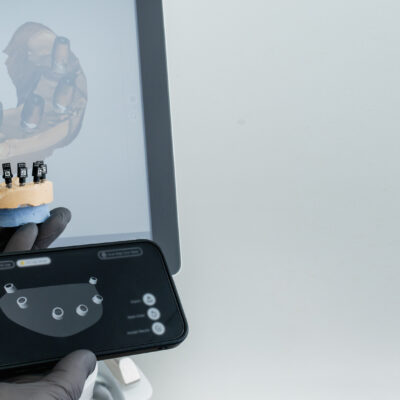
No two jaws are identical, even within the same mouth. Using 3D imaging and guided surgical planning, Dr. Dmitriy Ivanov designs each arch based on its specific bone, anatomy, and aesthetic needs. This careful approach helps ensure your new teeth are secure, comfortable, and built to last.
Schedule Your All-on-4 Consultation Near Manhattan Beach
If you are struggling with failing teeth or loose dentures in one or both arches, the team at Precision Periodontal and Implant Center can help you understand what full-arch treatment would look like for you. Call 310-708-3938 today to schedule your consultation.