
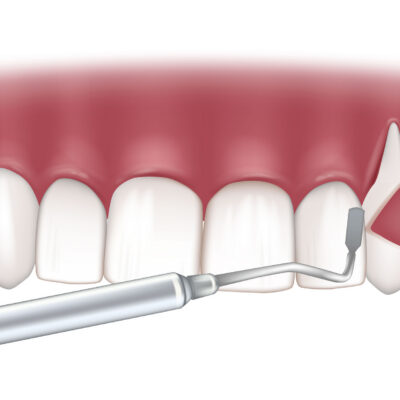
When patients think about what makes a dental implant successful, bone usually comes to mind first. But bone isn’t the only foundation that matters. The soft tissue surrounding an implant, your gums, plays an equally important role in whether that implant thrives for decades or runs into problems down the road. For many patients in Redondo Beach, soft tissue grafting is the step that makes the difference.
Why Gum Tissue Matters as Much as Bone
Healthy gum tissue does more than frame your smile. Around an implant, it acts as a protective seal, keeping bacteria away from the bone and implant structure beneath it. When gum tissue is thin, receded, or insufficient, that protective barrier is compromised, leaving the implant more vulnerable to infection and long-term complications.
Think of it this way: even the strongest foundation needs solid walls around it. Bone provides the foundation; soft tissue provides the protective walls.
When Soft Tissue Grafting Is Needed
Not every implant patient requires soft tissue grafting, but it becomes an important step in several common situations:
- Thin or receded gum tissue around the planned implant site
- A history of gum disease that has already caused tissue loss
- Insufficient attached gum tissue, which is the firm, keratinized tissue that resists irritation and bacteria better than looser tissue
- Aesthetic concerns, particularly in the front of the mouth where gum contour affects how natural the final restoration looks
- Long-term denture wear, which can cause the gum tissue to thin out over time
At Precision Periodontal and Implant Center, we evaluate your soft tissue alongside your bone structure during the implant planning process, so grafting can be addressed proactively rather than as a problem to fix later.
How Soft Tissue Grafting Works
The procedure is more straightforward than many patients expect. Depending on your needs, grafting may involve:
- Taking a small amount of tissue from another area of the mouth, often the palate, or using a specialized graft material
- Placing the graft at the implant site to increase the thickness and quality of tissue
- Allowing the area to heal and integrate before or alongside implant placement
In many cases, grafting can be performed at the same time as implant placement, minimizing the number of separate procedures you need.
The Benefits Beyond Protection
While protecting the implant from infection is the primary goal, soft tissue grafting offers additional benefits patients appreciate:
- A more natural-looking gumline around the final restoration
- Reduced sensitivity and irritation at the implant site
- Improved comfort when brushing and flossing around the implant
- Greater long-term stability, reducing the risk of future recession
What Happens Without It, When It’s Needed
Skipping soft tissue grafting when it’s indicated doesn’t always cause immediate problems, but it raises the risk of complications over time. Thin tissue is more prone to recession, which can expose the implant’s metal components, increase sensitivity, and create an entry point for bacteria that leads to peri-implantitis.
A Proactive Step, Not an Extra One
It’s easy to think of soft tissue grafting as an add-on procedure, but for the right candidate, it’s better understood as a core part of a successful implant plan. Addressing tissue quality upfront often prevents more complex problems, and more costly treatment, later on.
Build the Right Foundation from the Start
If you’re considering dental implants, don’t overlook the role your gum tissue plays in long-term success. Call 310-708-3938 today to schedule your appointment at Precision Periodontal and Implant Center and find out whether soft tissue grafting should be part of your treatment plan.