
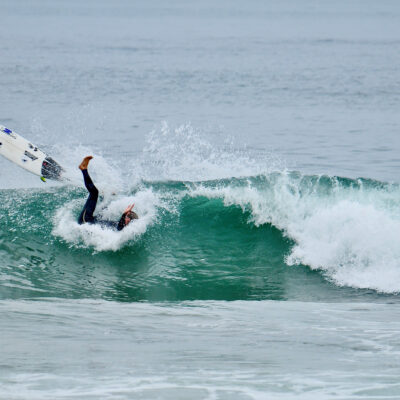
A tooth can be lost in an instant. A wipeout while surfing, an elbow during a beach volleyball game, a fall off a bike, or a car accident can knock out or break a tooth with no warning. Beyond the pain and shock, losing a tooth, especially a front tooth, can leave you feeling self-conscious and unsure of what comes next.
The good news is that a lost tooth can be replaced with a result that looks and feels natural. For many patients, a dental implant is the strongest, most lasting solution after dental trauma. At Precision Periodontal and Implant Center, we help patients restore their smiles after accidents and injuries with careful planning and expert implant care.
What to Do Right After a Tooth Is Knocked Out
Quick action can make a big difference. If a permanent tooth is knocked out, follow these steps:
- Find the tooth and handle it by the crown, the part you normally see. Avoid touching the root.
- Rinse it gently with milk or clean water if it’s dirty. Don’t scrub it or wrap it in tissue.
- Try to place it back in the socket if possible, and hold it in place by gently biting on gauze or a clean cloth.
- If you can’t reinsert it, keep it moist in milk or in your mouth between your cheek and gums. Don’t let it dry out.
- See a dentist immediately. The sooner the tooth is treated, the better the chance it can be saved.
If you have other injuries, such as a head injury, heavy bleeding, or trouble breathing, seek emergency medical care first.
Can a Knocked-Out Tooth Be Saved?
Sometimes, yes. If a tooth is placed back in its socket quickly, it may reattach. However, even when reimplantation seems successful at first, traumatized teeth can develop problems months or years later. The root may begin to break down, or the tooth may gradually fuse to the bone and become difficult to maintain.
In other cases, the tooth can’t be saved at all. It may be lost, broken below the gumline, or cracked through the root. When that happens, a dental implant is often the best way to restore your smile for the long term.
Why Dental Implants Are Ideal After Dental Trauma
Implants offer important advantages when replacing a tooth lost to injury:
- They don’t rely on neighboring teeth. A traditional bridge requires reshaping the healthy teeth on either side of the gap. An implant stands on its own.
- They protect the jawbone. After a tooth is lost, the bone in that area naturally begins to shrink. An implant stimulates the bone and helps preserve it.
- They look natural. A custom crown is designed to match the shape, size, and shade of your surrounding teeth.
- They’re built to last. With proper care, an implant can last for decades.
If you’re new to implants, our page on what dental implants are explains how each part works together.
Special Considerations After an Injury
Dental trauma often affects more than the tooth itself. Planning an implant after an injury may involve a few extra steps.
Damage to the Bone
An impact strong enough to knock out a tooth can also crack or damage the thin bone around it. The bone may need time to heal, or it may need to be rebuilt before an implant can be placed. Bone grafting restores lost volume so your implant has a stable foundation. Learn more on our advanced bone grafting page.
Gum Tissue Changes
Injuries can also affect the gums. In the front of the mouth, healthy, well-shaped gum tissue is essential for a natural-looking result. Soft tissue grafting may be recommended to rebuild the gumline so your new tooth blends in seamlessly.
Timing of Treatment
In some cases, an implant can be placed soon after a damaged tooth is removed. In others, it’s better to let the area heal first. Your treatment plan depends on the extent of the injury, the condition of the bone and gums, and any infection present.
Younger Patients
For teens who lose a permanent tooth, implant placement is usually delayed until jaw growth is complete. In the meantime, a temporary solution, such as a retainer with a replacement tooth, can fill the gap and maintain the space.
Replacing a Tooth Without Going Without
Many patients worry about walking around with a visible gap, especially in the front of the mouth. During healing, a temporary tooth can usually be provided so you can smile, talk, and work with confidence. In some situations, a temporary crown may even be attached to the implant on the same day it’s placed.
How We Plan Your Implant
At Precision Periodontal and Implant Center, every implant begins with a thorough evaluation. We use 3D imaging to examine the bone, check for hidden fractures, and plan the ideal position of your implant. This level of detail is especially important after trauma, when the anatomy may have changed.
Dr. Ivanov is a board-certified periodontist with extensive experience in implants in the smile zone, where both function and appearance matter. We’ll work alongside your general dentist to make sure your final crown fits beautifully with your smile.
Protecting Your Smile in the Future
If you play contact sports, surf, skate, or ride bikes, a custom mouthguard is one of the best ways to protect both your natural teeth and any implants. A guard made to fit your mouth offers more comfort and better protection than a generic one.
Restore Your Smile After an Injury in Manhattan Beach
Losing a tooth in an accident can be upsetting, but it doesn’t have to leave a lasting mark on your smile. Precision Periodontal and Implant Center is just minutes from Manhattan Beach and ready to help you move forward with a strong, natural-looking replacement.
Call 310-708-3938 today to schedule your consultation with Precision Periodontal and Implant Center and learn how a dental implant can restore your smile after an injury.