
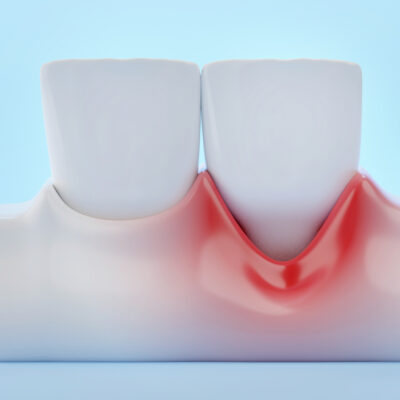
When patients think about what could threaten the success of a dental implant, bone loss usually comes to mind first. But gum recession, the gradual pulling back of gum tissue from around a tooth or implant, plays just as significant a role. For Redondo Beach patients considering implants, or those who already have them, understanding this connection can make the difference between lasting results and future complications.
How Gum Recession Affects Implant Candidacy
Before an implant is even placed, existing gum recession can signal underlying issues worth addressing first. Recession often points to thin tissue, a history of gum disease, or years of stress on the area from grinding, brittle brushing habits, or ill-fitting dental work. If these underlying issues aren’t addressed, the same conditions that caused recession around a natural tooth can threaten the tissue around a future implant.
At Precision Periodontal and Implant Center, evaluating gum health is a standard part of implant planning, not an afterthought. Addressing recession beforehand, sometimes through gum grafting, sets the stage for a more predictable, stable outcome.
Why Soft Tissue Matters After Placement Too
Gum health doesn’t stop mattering once an implant is in place. The tissue surrounding an implant acts as a seal, protecting the bone and implant structure beneath it from bacteria. When that seal is compromised by thin or receding tissue, implants become more vulnerable to a condition called peri-implantitis, an infection of the gum and bone around the implant that can ultimately threaten its stability.
Common signs that recession may be affecting an existing implant include:
- Increased sensitivity around the implant site
- Visible metal or a longer-looking crown compared to surrounding teeth
- Gum tissue that appears thinner or has pulled back over time
- Mild irritation or discomfort when brushing the area
What Causes Recession Around Implants
Several factors can contribute to gum recession around implants, some preventable and some not:
- Thin tissue biotype – Some patients naturally have thinner gum tissue, making recession more likely over time.
- Inadequate attached tissue – Without enough firm, keratinized tissue around the implant, the area is more prone to irritation and recession.
- Poor oral hygiene habits – Aggressive brushing or inconsistent cleaning around the implant can wear down tissue.
- Bite misalignment – Uneven forces on the implant can place unnecessary stress on surrounding tissue.
- Underlying bone loss – Since tissue follows the contour of the bone beneath it, bone loss can lead to a receding tissue appearance.
How Soft Tissue Grafting Can Help
For patients with existing recession, whether around natural teeth being prepared for implants or around implants already in place, soft tissue grafting can restore the protective barrier that’s been lost. This involves adding tissue to the affected area, thickening it, and improving its ability to resist future recession and bacterial infiltration.
Grafting isn’t just about visual improvement. A thicker, healthier band of tissue around an implant provides meaningfully better long-term protection than thin, compromised tissue.
Prevention Matters As Much As Treatment
For patients who don’t yet have recession but want to protect their implants long-term, a few habits make a real difference:
- Using a soft-bristled toothbrush and gentle technique around implants
- Attending regular professional cleanings and checkups
- Addressing bite alignment issues early, before they place chronic stress on tissue
- Discussing tissue thickness with your provider before implant placement, not after problems appear
A Foundation Worth Protecting
Whether you’re planning for implants or already have them, gum tissue health isn’t a side detail. It’s a core part of what determines whether your results last for years or run into complications that require additional treatment.
Protect Your Implant from the Ground Up
If you’ve noticed signs of gum recession, or if you want to make sure your gum tissue is prepared for implant success, don’t wait until it becomes a bigger issue. Call 310-708-3938 today to schedule your appointment at Precision Periodontal and Implant Center and find out how soft tissue health plays into your long-term implant success in Redondo Beach.