
Dental implants are one of the most reliable ways to replace missing teeth, but sometimes patients are told they need an additional procedure before implants can be placed. One of the most common is called a sinus lift. Hearing that you need extra treatment can feel discouraging, but in many cases, it simply means your provider is ensuring your implants have the strong foundation they need to last.
At Precision Periodontal and Implant Center, we help patients understand why a sinus lift may be recommended and how this procedure can make dental implants possible—even for those who were once told they were not candidates.
What Is a Sinus Lift?
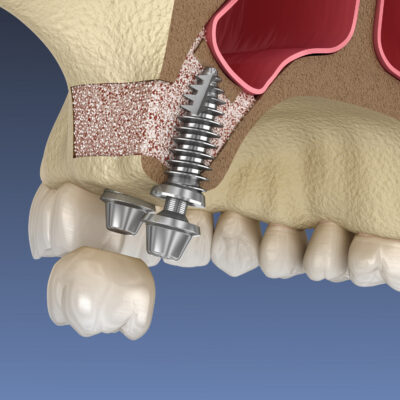
A sinus lift, also called sinus augmentation, is a procedure that adds bone to the upper jaw in the area of the back teeth. Specifically, it targets the space beneath the maxillary sinuses, which are air-filled cavities located above the upper molars and premolars.
When there isn’t enough bone height in this area, implants may not have the support they need to remain stable. A sinus lift gently raises the sinus membrane and places bone graft material underneath it, creating the thickness and strength necessary for implant placement.
Over time, the graft integrates with your natural bone, forming a stronger foundation that can securely hold dental implants.
Why Bone Loss Happens in the Upper Jaw
Many patients are surprised to learn they need a sinus lift. However, bone loss in the upper jaw is very common, especially after teeth have been missing for years.
Several factors can contribute to this loss of bone:
- Long-term tooth loss
- Natural bone resorption after extractions
- Periodontal (gum) disease
- Trauma or infection in the jaw
- Naturally large sinus cavities
When teeth are missing, the jawbone no longer receives the stimulation created by chewing. As a result, the bone gradually shrinks over time. In the upper jaw, the sinuses can also expand downward, further reducing the amount of bone available.
Signs You May Need a Sinus Lift
You may be advised to have a sinus lift if your dentist determines there isn’t enough bone height in the upper jaw to support an implant. This is typically discovered during imaging and treatment planning.
Situations where a sinus lift may be recommended include:
- Missing upper molars or premolars for many years
- Significant bone loss in the upper jaw
- Sinuses positioned very close to the jawbone
- Previous extractions without bone grafting
Modern 3D imaging allows specialists to evaluate bone volume with precision, ensuring the safest and most predictable treatment plan.
How the Sinus Lift Procedure Works
Although the name may sound intimidating, a sinus lift is a well-established procedure that many patients tolerate comfortably.
The process typically involves several steps:
- A detailed examination and imaging to evaluate the sinus and bone structure
- Local anesthesia to keep the area comfortable
- A small opening created in the bone to access the sinus area
- Gentle lifting of the sinus membrane
- Placement of bone graft material beneath the membrane
Once the graft is in place, the area is allowed to heal. During this healing period, the graft integrates with your natural bone to create the strength needed for implant placement.
Healing and What to Expect
Healing after a sinus lift usually takes several months as the graft material gradually becomes part of the natural jawbone. Most patients experience mild swelling or tenderness for a few days after the procedure, which typically resolves quickly.
During recovery, your doctor may recommend:
- Avoiding activities that create pressure in the sinuses
- Following detailed oral hygiene instructions
- Attending follow-up visits to monitor healing
Once the graft has fully integrated, implants can often be placed with excellent long-term stability.
Why a Sinus Lift Can Be Worth It
Although it may add an extra step to the process, a sinus lift provides significant benefits for patients who want a long-lasting implant solution.
These advantages include:
- Making dental implants possible even with limited bone
- Improving the stability and longevity of implants
- Restoring proper support to the upper jaw
- Expanding treatment options for missing teeth
Many patients who once believed dentures were their only option are able to receive dental implants after this procedure.
A Strong Foundation for Your Future Smile
Dental implants are designed to last for decades, which is why proper preparation is so important. Procedures like sinus lifts help ensure that implants are placed in the strongest possible environment, supporting both function and long-term oral health.
At Precision Periodontal and Implant Center, we take the time to carefully evaluate your bone structure and recommend treatments that will lead to the most predictable and successful outcomes.
If you are considering dental implants or have been told you may need a sinus lift, call 310-708-3938 today to schedule a consultation with Precision Periodontal and Implant Center. Our team will guide you through your options and help you move forward with confidence toward a stronger, healthier smile.