
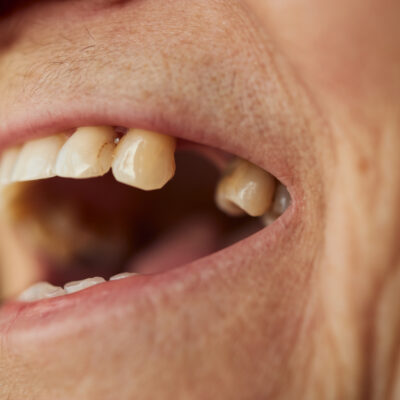
Losing a single tooth can feel like a small problem compared to losing several, but it still raises big questions. Will you need to alter the healthy teeth next to it? Will a bridge mean grinding down teeth that are otherwise perfectly fine? For many patients in Manhattan Beach, the answer is simpler than expected: a single dental implant can replace that one tooth without touching the teeth around it at all.
Why a Single Missing Tooth Still Matters
It’s easy to assume that one gap isn’t a big deal, especially if it’s not visible when you smile. But a missing tooth affects more than appearance. Without a root to stimulate the jawbone, that area begins to lose density over time. Neighboring teeth can also shift toward the empty space, and the opposing tooth may over-erupt without something to bite against. What starts as a single gap can quietly create a chain reaction of problems if left unaddressed.
How a Single Implant Works
A dental implant replaces both the root and the crown of the missing tooth. At Precision Periodontal and Implant Center, the process typically looks like this:
- A small titanium post is placed into the jawbone where the tooth once was, acting as an artificial root.
- Over several months, the implant fuses with the surrounding bone through a process called osseointegration.
- Once healed, a custom crown is attached, designed to match the size, shape, and color of your natural teeth.
Because the implant stands independently, there’s no need to prepare, shave down, or rely on the teeth on either side.
Why This Matters Compared to a Bridge
Traditional bridges are still a valid option for some patients, but they work differently. A bridge requires the two teeth adjacent to the gap to be reshaped so they can support a crown that spans the space. This means altering healthy tooth structure permanently, even if those teeth had no problems to begin with.
With a single implant:
- Neighboring teeth remain completely untouched
- There’s no risk of stressing or weakening adjacent teeth over time
- The implant stimulates the jawbone directly, helping prevent the bone loss that bridges can’t address
- Cleaning around the implant is just like caring for a natural tooth, with no special tools required
Is a Single Implant Right for You?
Most healthy adults missing one tooth are good candidates for a single implant. What matters most is having enough bone density at the site to support the implant securely. If bone loss has already occurred, a bone graft can often build up the area first, still allowing you to move forward with an implant rather than a bridge.
At Precision Periodontal and Implant Center, we evaluate your bone structure, gum health, and bite alignment using advanced imaging to determine whether you’re ready for immediate placement or whether some preparation is needed first.
What Manhattan Beach Patients Can Expect
Replacing one tooth might feel like a minor procedure, but the process still deserves the same level of precision and care as any implant treatment. From your first evaluation to your final restoration, the goal is a result that looks natural, feels stable, and protects the health of your entire smile, not just the one tooth that was lost.
Protect What You Still Have
You don’t have to choose between fixing a gap and preserving your healthy teeth. A single dental implant lets you do both. Call 310-708-3938 today to schedule your appointment at Precision Periodontal and Implant Center and find out if a single-tooth implant is the right solution for your smile.