
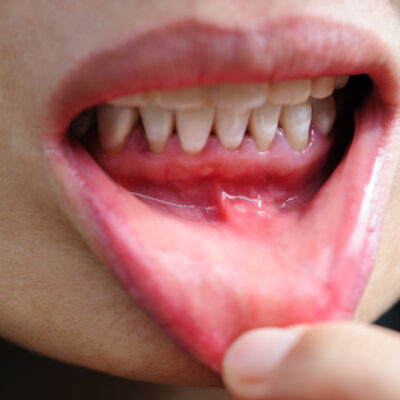
Yes, gums can recede around a dental implant. Even though an implant can’t get cavities the way a natural tooth can, the gum tissue surrounding it is still living tissue. That tissue can thin, pull back, or become inflamed over time. When it does, you might notice a gray shadow near the gumline, a longer-looking tooth, or even part of the metal implant showing through.
The good news is that gum recession around implants can often be treated, and in many cases prevented, with soft tissue grafting. At Precision Periodontal and Implant Center, we specialize in both dental implants and periodontal care, so we look closely at the gums as well as the implant itself.
Why the Gums Around an Implant Matter
Healthy gum tissue acts like a protective seal around your implant. It helps keep bacteria away from the bone that supports the implant, and it frames your new tooth so it looks natural.
Not all gum tissue is the same. The firm, pink tissue directly around your teeth is called keratinized tissue. It’s thicker and more resistant to brushing, chewing, and irritation. When an implant has a healthy band of this tissue around it, it’s generally easier to keep clean and better protected over the long term. When that tissue is thin or missing, the area is more vulnerable to inflammation and recession.
What Causes Gum Recession Around Implants?
Several factors can contribute to gums pulling away from an implant:
- Thin gum tissue: Some people naturally have a thin gum biotype, which is more prone to recession.
- Lack of keratinized tissue: Without enough firm tissue, the gums around an implant can become sore and harder to clean.
- Peri-implant inflammation: Plaque buildup can cause inflammation around the implant, similar to gum disease around a natural tooth. Left untreated, it can lead to tissue and bone loss.
- Bone loss: Gums follow the bone. If the bone around an implant thins, the gum tissue often recedes with it.
- Implant position: An implant placed too far toward the cheek or lip side may leave little tissue covering it.
- Aggressive brushing: Brushing too hard can wear away delicate gum tissue over time.
- Smoking: Tobacco reduces blood flow and makes the tissue less resilient.
Warning Signs to Watch For
Gum recession around an implant often develops slowly. Watch for:
- The crown looking longer than it used to
- A gray or dark shadow showing through the gums
- Visible metal threads or the edge of the abutment
- Tenderness, redness, or bleeding when brushing
- Food getting trapped around the implant
- The implant crown looking uneven compared with nearby teeth
If you notice any of these changes, schedule an evaluation sooner rather than later. Early treatment is usually simpler and more predictable. Our page on implant complication treatment explains more about how we diagnose and manage implant issues.
How Soft Tissue Grafting Helps Implants
Soft tissue grafting adds healthy gum tissue to an area where it’s thin or missing. Around dental implants, grafting can:
- Cover exposed implant surfaces or abutments
- Thicken the gums to create a stronger protective barrier
- Add firm keratinized tissue so the area is more comfortable to brush and clean
- Hide gray shadows for a more natural-looking result
- Help protect the supporting bone from future breakdown
The graft tissue is often taken from the roof of your mouth, though donor tissue or tissue substitutes may also be used depending on your situation. The goal is a thicker, healthier gumline that supports your implant for years to come.
Grafting Before, During, or After Implant Placement
Timing depends on your needs. Soft tissue grafting can be performed:
- Before implant placement, to build up thin tissue in advance
- At the same time as implant placement, to strengthen the gums right from the start
- After the implant has healed, to correct recession that developed over time
Dr. Ivanov evaluates the thickness and quality of your gum tissue as part of every implant plan. Addressing soft tissue early helps prevent problems later, especially for implants in the smile zone where appearance matters most.
Treating the Cause, Not Just the Symptom
Grafting works best when the reason for the recession is also addressed. If inflammation is present, we’ll first clean the area thoroughly and control any infection. If bone has been lost, regenerative procedures may be recommended. If the crown or bite is putting extra stress on the implant, adjustments may be needed.
This full-picture approach is what sets periodontal care apart. As a board-certified periodontist, Dr. Ivanov treats the gums, bone, and implant as one connected system.
What Recovery Looks Like
Most patients find soft tissue grafting more manageable than they expected. Mild soreness and swelling are common for a few days, and the area typically heals over a couple of weeks. You’ll receive clear aftercare instructions, including a soft diet, gentle cleaning tips, and guidance on protecting the graft while it heals. Sedation is available for patients who feel anxious.
Protecting Your Implant for the Long Term
Once your gums are healthy, keeping them that way is key. Helpful habits include:
- Brushing gently with a soft-bristled toothbrush
- Cleaning around the implant daily with floss, water flossers, or small brushes
- Keeping up with professional cleanings and implant check-ups
- Avoiding tobacco
- Wearing a nightguard if you clench or grind your teeth
You can learn more about how we treat receding gums on our gum recession treatment page.
Get Expert Care for Your Implant in Manhattan Beach
If you’ve noticed changes in the gums around your implant, or you’re planning an implant and want the strongest possible foundation, we’re here to help. Precision Periodontal and Implant Center is just a short drive from Manhattan Beach, and we’ll give you a thorough evaluation and a clear plan.
Call 310-708-3938 today to schedule your appointment with Precision Periodontal and Implant Center and protect your implant’s health and appearance for years to come.