
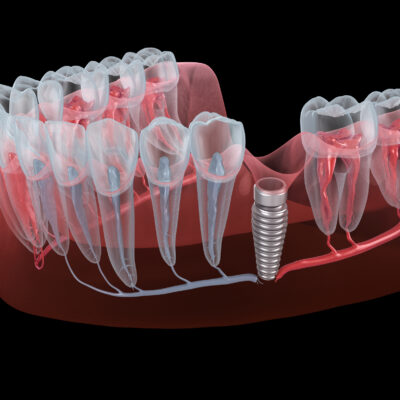
Dental implants are designed to be one of the most predictable and long-lasting solutions in modern dentistry. With proper planning and care, they can last for decades. But like any medical procedure, implant complications can occur.
The good news is that implant failure is uncommon—especially when placed by a specialist. When problems do arise, early diagnosis and expert treatment can often restore health and stability.
Understanding the causes and warning signs helps patients act quickly and protect their investment.
What Is Dental Implant Failure?
Dental implant failure occurs when the implant does not properly integrate with the jawbone or loses stability after successful healing. This can happen early in the healing phase or years later.
There are two primary types:
- Early failure – Occurs before the implant fully fuses with the bone
- Late failure – Happens after successful integration, often due to infection or bone loss
Because implants rely on strong bone support, any condition that compromises that foundation can threaten long-term success.
Common Causes of Implant Complications
Several factors may contribute to implant problems, including:
- Infection around the implant (peri-implantitis)
- Poor bone quality or insufficient bone volume
- Excessive bite pressure or grinding
- Smoking
- Uncontrolled systemic conditions
- Inadequate oral hygiene
Implant placement is both a surgical and restorative process. Proper diagnosis, precise surgical technique, and ongoing periodontal health are essential to maintaining stability.
Warning Signs You Shouldn’t Ignore
Many implant concerns can be addressed successfully if caught early. Patients should contact a specialist if they notice:
- Persistent pain or discomfort
- Swelling or bleeding around the implant
- Gum recession near the implant site
- Mobility or shifting of the implant
- Pus or signs of infection
An implant should feel stable and comfortable. If something feels different or unstable, it’s important to have it evaluated promptly.
How Implant Failure Is Diagnosed
A comprehensive evaluation may include:
- Clinical examination
- Digital imaging
- Assessment of bone levels
- Evaluation of bite forces
At Precision Periodontal and Implant Center, implant complications are approached with precision and careful diagnosis. Identifying the underlying cause determines whether the implant can be preserved or needs replacement.
Treatment Options for a Failing Implant
Not all implant complications require removal. Depending on the situation, treatment may involve:
- Infection control and deep cleaning
- Bone regeneration procedures
- Bite adjustments
- Surgical correction
If removal becomes necessary, the area can often be treated and prepared for future implant placement once healing is complete. Modern regenerative techniques frequently allow patients to restore stability even after complications.
Protecting Long-Term Implant Success
Prevention plays a critical role in avoiding implant failure. Patients can reduce risk by:
- Maintaining consistent oral hygiene
- Attending regular periodontal maintenance visits
- Managing systemic health conditions
- Avoiding tobacco use
- Addressing teeth grinding if present
Implants are highly successful when supported by healthy gum tissue and stable bone.
Precision and Experience Matter
Dental implant treatment is not just about replacing a missing tooth—it’s about protecting the bone and soft tissue foundation that supports it.
At Precision Periodontal and Implant Center, implant care is guided by advanced imaging, surgical expertise, and long-term periodontal management. When concerns arise, early intervention often makes the difference between a simple correction and a more complex repair.
If you have concerns about an existing implant or want expert evaluation of your oral health, call 310-708-3938 to schedule an appointment. Prompt attention helps protect your smile, your comfort, and your long-term results.