
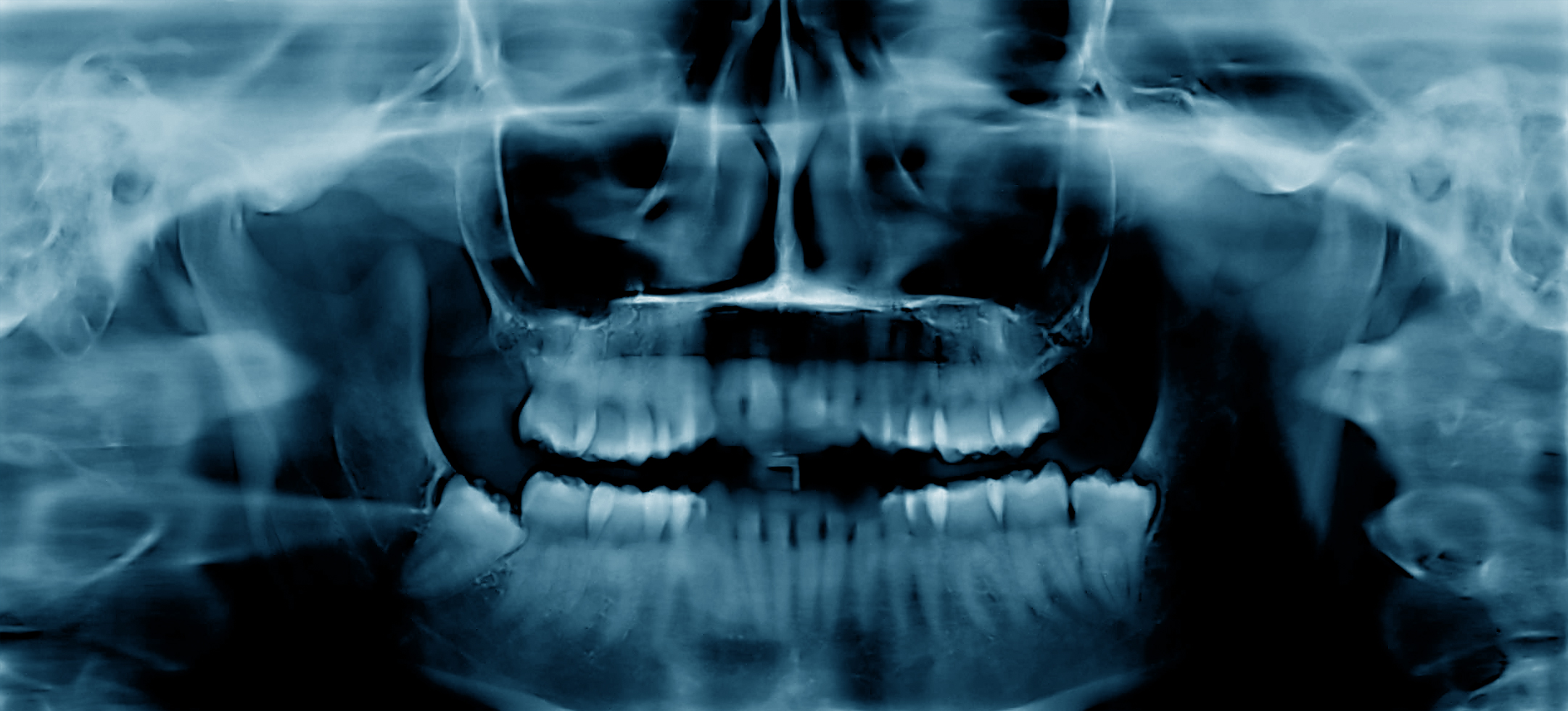
Bone loss in the jaw often happens quietly. Many patients don’t realize it has begun until a tooth becomes loose, their gums recede, or their dentist notes changes on an X-ray. Once bone has disappeared, it’s natural to wonder whether anything can be done to restore it.
The answer is: sometimes yes—sometimes no. At Precision Periodontal and Implant Center, we help patients understand what bone loss means and how modern regenerative dentistry can rebuild the foundation needed for long-term oral health.
What Bone Loss Really Is
Your jawbone stays strong because it’s stimulated every day by chewing forces. When teeth are lost, infected, or not functioning properly, that stimulation stops. Over time, the bone that once supported the tooth begins to shrink. This process, called resorption, can also occur from:
- Advanced periodontal disease
- Long-term denture use
- Trauma or infection
- Developmental defects
Left untreated, bone loss can affect chewing, facial appearance, and eligibility for dental implants.
Can Bone Loss Grow Back Naturally?
Unfortunately, once bone is lost, it does not regenerate on its own. The body cannot naturally rebuild jawbone without intervention. This is why patients missing teeth for many years typically show significant bone loss—and why implants can be more complex in these areas.
However, dentistry today offers predictable ways to stimulate bone growth and replace lost volume. These regenerative treatments don’t just pause bone loss—they rebuild the foundation that teeth and implants rely on.
How Bone Grafting Helps Reverse the Effects of Bone Loss
Bone grafting is one of the most common and effective regenerative techniques. Using biocompatible graft material, your doctor can create the framework your body needs to grow new bone. Over time, the graft integrates and becomes part of your natural jaw.
At Precision Periodontal and Implant Center, grafting is tailored to each patient’s needs. Approaches may include:
- Socket preservation – Placing graft material immediately after a tooth extraction to prevent future bone loss.
- Ridge augmentation – Rebuilding bone where significant loss has occurred.
- Sinus lifts – Adding bone beneath the sinus to support implants in the upper jaw.
- Block grafts – Using a larger graft to correct severe deficiencies.
These procedures don’t replace bone with artificial material; instead, they guide your body to regenerate strong, healthy bone on its own.
What Bone Grafting Can—and Cannot—Do
Bone grafting can:
- Increase bone height, width, and density
- Create enough support for dental implants
- Reverse changes in facial structure from bone loss
- Strengthen areas weakened by gum disease
However, it cannot:
- Regrow bone without a grafting procedure
- Replace bone that is still being destroyed by active periodontal disease
- Guarantee implant success without proper home care and maintenance
This is why treating gum disease first is crucial. Regeneration works best when inflammation is under control.
Does Regenerative Treatment Hurt? What to Expect
Most grafting procedures are more comfortable than patients expect. Local anesthesia keeps the area numb, and sedation is available for those who prefer it. Mild soreness or swelling typically resolves within a few days. Over the next few months, the graft integrates and strengthens, laying the groundwork for implants or stabilizing natural teeth.
Patients often feel relief knowing that bone loss isn’t the end of the story—it’s the beginning of rebuilding.
If You’ve Been Told You Don’t Have Enough Bone, You Still Have Options
Modern regenerative dentistry has made it possible for many patients to receive implants—even after years of bone loss. And for those wanting to preserve natural teeth, treating gum disease and rebuilding bone can dramatically improve long-term outcomes.
If you’re concerned about bone loss, or want to know whether regeneration is possible in your case, call 310-708-3938 today. The team at Precision Periodontal and Implant Center will evaluate your needs and design a customized plan to help restore strength, stability, and confidence in your smile.